
Cooling systems are vital components of commercial buildings, industrial facilities, hotel establishments, hospital facilities and residential housing complexes. The chiller system functions as the primary component that controls building temperature and operational efficiency. Chillers function as mechanical systems that develop operational issues over time. Facility managers encounter a critical operational dilemma after the chiller system breaks down. They must decide whether to fix the existing chiller system or install a new system.
The correct decision base helps organisations reduce expenses and shorten operational interruptions while they boost their energy consumption savings. The Sky MAK Technical Services guide explains the process to choose between chiller repair and replacement in 2026.
Why This Decision Matters
A chiller is a major investment for any facility. The selected option determines whether your organisation will experience operational failures combined with increased electricity expenses. Repairing the system seems more affordable than replacement.
You need to evaluate three important factors that will help you make the best decision.
Age of the Chiller
The system age is the first factor that must be evaluated.
The lifespan of commercial chillers is 15 to 20 years when properly maintained. Operators should choose repair as their best solution when their chiller system operates within its first three years of service. The system should be replaced with a new unit because its operational life is approaching its end.
The electricity consumption of older chillers exceeds modern standards because they operate using obsolete equipment.
Signs your chiller may be too old include:
- Regular failures
- Increasing upkeep expenses
- Finding replacement parts is difficult.
- Reduced efficiency in cooling
These common problems lead to replacement, which is the more practical solution.
Cost of Repairs vs Replacement
The 50% rule serves as a basic guideline that facility managers commonly follow.
When repair expenses exceed 50% of a new chiller’s cost, then it becomes better to choose replacement as the more cost-effective option.
For example:
- Minor component repair → Repair is reasonable
- Compressor failure or major damage → Replacement may be smarter
The new system provides permanent reliability because large repairs only deliver temporary relief.
Energy Efficiency in 2026
Energy efficiency has become a major factor in HVAC decisions. Modern chillers operate at far lower electricity consumption rates when compared to their previous versions.
The United Arab Emirates experiences substantial energy savings because its cooling systems operate throughout the entire year.
The new high-efficiency chillers offer multiple advantages, which include:
- Lower electricity bills
- Reduced carbon footprint
- Improved cooling performance
- Smart control systems
Your operational costs can decrease over time when you upgrade your chiller, which currently uses excessive energy.
Frequency of Breakdowns
Mechanical systems show typical performance problems, which result in their occasional breakdowns. The need for ongoing repairs on your chiller indicates that your system has reached its operational threshold.
Disruptive breakdowns result in:
- Uncomfortable conditions for building occupants
- Business operations face abrupt interruptions
- Emergency repair expenses
- Maintenance costs experience an upward trend
When equipment failures become permanent, organisations should proceed with system replacement.
Availability of Spare Parts
Availability of spare components plays a crucial role in determining whether to repair or replace equipment.
The older chiller design requires replacement parts that manufacturers no longer produce. The need for replacement parts results in increased expenses and extended downtime. Some components need special ordering or custom manufacturing to obtain them.
Acquiring replacement parts becomes complicated, which makes purchasing a new system the better decision.
Environmental Regulations and Refrigerants
Environmental standards have experienced major transformations during the past few years. Many older chillers use refrigerants that are being phased out globally.
Newer chillers use environmentally friendly refrigerants that:
- Reduce environmental impact
- Improve efficiency
- Meet international regulations
Upgrading your system helps future-proof your facility and avoid regulatory issues.
Performance and Cooling Capacity
A chiller experiences difficulties in maintaining its required cooling capacity throughout its lifespan. This process occurs because of:
- Internal components wear out
- System efficiency drops
- Building cooling demand increases
The current chiller system requires replacement because your facility has expanded its operations.The system needs replacement with a unit that has accurate sizing, which will boost comfort and operational efficiency.
When Repair Is the Better Option
Chiller repair works best when:
- The system is relatively new.
- The maintenance records of the equipment display good performance.
- The system maintains sufficient energy efficiency.
- The necessary spare components exist in stock.
A professional assessment can determine whether the repair will result in permanent solution.
When Replacement Makes More Sense
- The chiller requires replacement when
- The system operates beyond its 15 to 20 year lifespan
- The system needs multiple repairs
- The system generates excessive energy expenses
- The system has experienced critical equipment breakdowns
- The system operates according to refrigerant rules
- The initial cost of replacement exceeds existing equipment yet this investment generates future cost savings.
Benefits of Installing a New Chiller
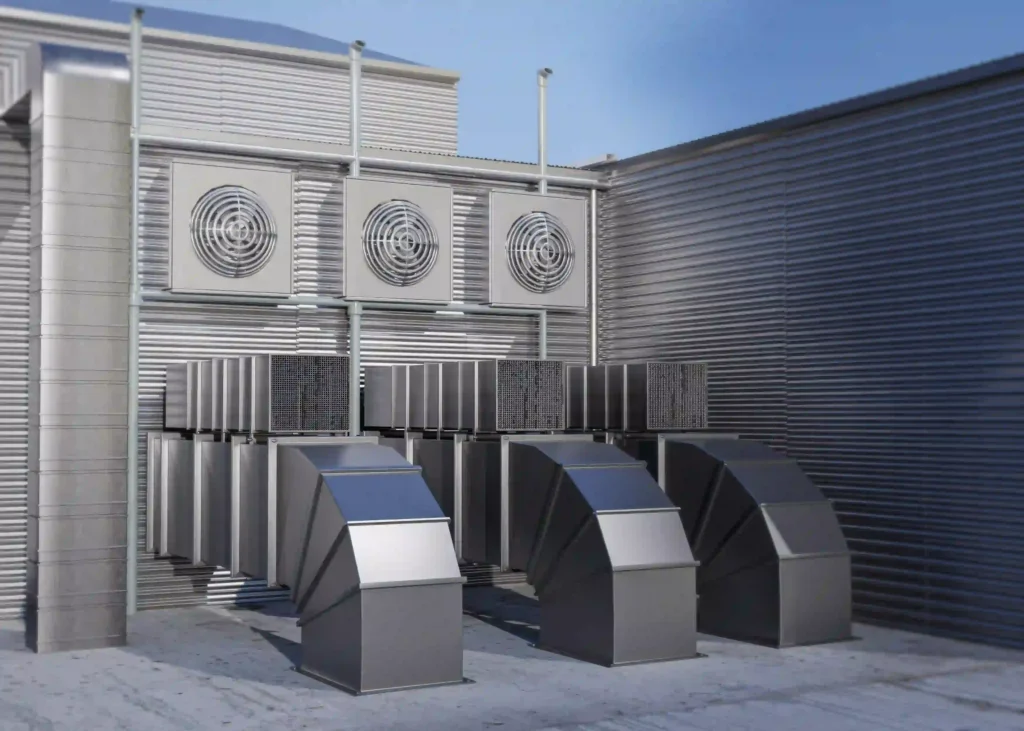
- Modern chillers provide multiple advantages to facilities that operate in 2026.
- The system achieves higher efficiency through its lower energy consumption.
- Enables advanced control through its smart monitoring capabilities, which provide diagnostic functions.
- Requires less maintenance because it operates with enhanced reliability.
- Eco-friendly refrigerants to achieve environmental compliance.
Delivers superior cooling performance, which maintains consistent indoor temperature levels.
Professional Assessment Is Important
Every facility is different. The best decision should always be based on a professional evaluation.
- The technicians who possess expertise can evaluate
- The current state of the compressor
- The system’s energy consumption
- The system’s operational capabilities
- The system’s previous maintenance records
- The total expenses for conducting repairs
The technicians will provide recommendations that identify the most affordable solution based on collected data.
How Sky MAK Technical Services Can Help
Sky MAK Technical Services delivers expert chiller inspection and repair and maintenance and replacement services to commercial and industrial facilities.
Our team helps clients:
- Diagnose chiller problems accurately
- Compare repair and replacement costs
- Improve energy efficiency
- Extend equipment life
- Install modern cooling systems
We concentrate on developing practical solutions which minimize both downtime and operating costs.
Final Thoughts
Chiller repair versus replacement presents a challenging decision that requires careful evaluation. The evaluation process in 2026 will consider various elements, including energy efficiency, environmental regulations, repair costs and system reliability.
Chiller repairs provide financial benefits through extended equipment life when the system operates in good condition. The system requires replacement when it reaches its end-of-life stage because it operates with low efficiency and experiences persistent operational issues.
Sky MAK Technical Services provides expert guidance that helps you choose the best solution to maintain your facility operations.
Read more: https://hss-me.com/emergency-and-fire-preparedness/
