
Water tanks are essential for water storage systems of residential, commercial, and industrial properties. The safest and most hygienic water for everyday use is maintained by regular cleaning, regardless of whether the tank is installed underground or overhead. But the cleaning process, challenges, and risks differ greatly between underground and overhead water tanks.
By understanding these differences, property owners, facility managers, and businesses can better plan for maintenance and select the most suitable professional services. This blog outlines the key differences between the cleaning of underground and overhead water tanks and the reason why both need specialised treatment.
Understanding Underground and Overhead Water Tanks
Typically, underground water tanks are placed under the surface, a practice that is especially common in the case of villas, high-rise buildings, commercial/industrial complexes, etc. They are constructed to hold large quantities of water, which are either directed to the overhead tanks or delivered straight to the building.
Conversely, overhead water tanks are placed on roofs or high buildings. They ensure water supply through gravity and are hence commonly seen in residential buildings, apartments, and offices.
Contaminations of both kinds of water storage are due to their locations and exposures.
1. Exposure to Contamination
Underground Water Tanks
Located underground, tanks are at a higher risk of soil, groundwater seepage, and surface runoff contaminating them. Mud, sand, and microorganisms can be mixed with the water through cracks, poor waterproofing, or damaged covers.
Overhead Water Tanks
Overhead tanks are affected by environmental elements such as overheating, dust, bird droppings, insects, and polluted air. When the tank is not covered or insulated well enough, prolonged sun exposure is one of the major factors that lead to the growth of algae.
Key Difference:
Underground tanks are contaminated by soil and groundwater, whereas overhead tanks are more exposed to air, pollution and sunlight.
2. Type of Contaminants Found
Underground Tanks
- Fine sand and soil particles
- Sludge buildup at the bottom
- Bacterial contamination from groundwater
- Oil or chemical traces in industrial areas
Overhead Tanks
- Algae and biofilm on tank walls
- Dust and debris
- Insects and bird waste
- Rust particles from ageing tanks
3. Cleaning Process and Techniques
Underground Water Tank Cleaning
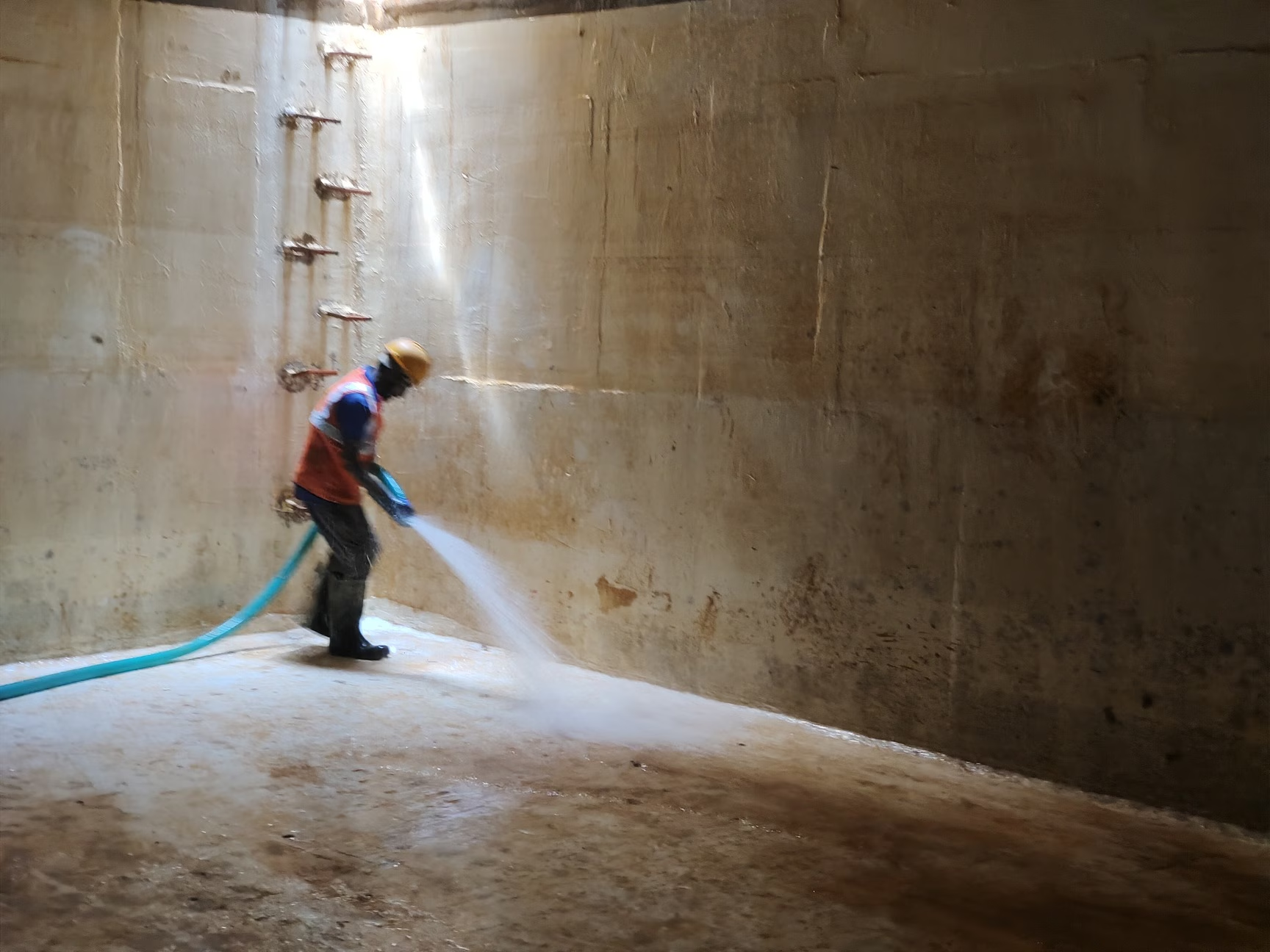
Cleaning underground tanks is a more complex task due to their size and confinement. The process usually entails:
- Draining off large amounts of water
- Removing thick sludge and sediment either manually or with the help of vacuum systems
- High-pressure jet washing of walls and floors
- Disinfecting with approved chemicals
- Providing proper ventilation and safety measures for confined spaces
Overhead Water Tank Cleaning
Overhead water tank cleaning is typically faster but still requires careful handling:
- Draining the tank completely
- Hand scrubbing the walls and floor
- Taking away algae and slimy layers
- High-pressure washing
- Disinfection and flushing
Key Difference:
Underground tank cleaning involves more elaborate equipment and safety practices compared to overhead tank cleansing, which is mainly concerned with algae removal and surface disinfection.
4. Safety Challenges
Underground Tanks
The underground tanks are often considered confined spaces, and thus, adverse situations arise, such as insufficient oxygen supply, poisonous gas accumulation, and access limitations. The cleaning process requires authorised personnel, safety harnesses, gas detectors, and the strict rules of accident prevention measures in place.
Overhead Tanks
Overhead tank cleaning involves working at a height, and consequently, the risk of a fall accident is also increased. The wearing of proper safety equipment, having secure access ladders and trained staff in safety measures are the main factors that prevent injuries.
Key Difference:
Cleaning of underground tanks involves confined space risk, while cleaning of overhead tanks involves working at height risk.
5. Frequency of Cleaning
Underground Water Tanks
Due to the greater risks of contamination and sediment buildup, underground tanks should be cleaned at least every 6 months. If there are any commercial or high-usage facilities using the tanks, they may require even more frequent cleaning.
Overhead Water Tanks
Overhead tanks will need to be cleaned at a minimum of 2 times a year, just like the underground ones. However, the tanks in a place where the sun shines directly on them or are in a dusty environment will require cleaning more often than twice a year.
Key Difference:
Both tank types require regular cleaning, but underground tanks usually require stricter scheduling because of the higher contamination risks.
6. Impact on Water Quality
Underground Tanks
If cleaning is not done properly, bacteria and pathogens from underground tanks can be spread into the water system, and this spoils both the overhead tanks. Contamination at this stage is likely to spread throughout the building.
Overhead Tanks
Water coming from taps, showers, and appliances gets directly impacted by dirty overhead tanks. Even slight contamination is detected right away through taste, smell, or colour changes.
Key Difference:
Contamination in underground tanks impacts the entire water system, but the contamination in overhead tanks affects direct water usage.
Why Professional Cleaning Is Essential
Skilled and trained professionals are required for cleaning the underground and overhead water tanks. If the water tanks are not properly cleaned, it can lead to the growth of bacteria, the tank may get damaged, or workers may face serious danger.
At Makhaleej, we are the experts in water tank cleaning for both underground and overhead tanks. The trained technicians followed approved and safe disinfectant procedures. Also, they ensure that your water storage system meets the standards for hygiene and safety.
Final Thoughts
While underground and overhead water tanks have the same function, the cleaning requirement is one of the major differences that stand. Knowing these differences allows you to carry out effective maintenance of the quality of water and health.
Professional cleaning at regular intervals is not a choice but a must. Regardless of whether your tank is underground or overhead, Makhaleej provides you with complete, safe and reliable cleaning service.
